

Bruised Knees From Knee Slides: What’s Actually Happening and Why It Matters More Than You Think

Bruised knees from skating are common. But that doesn’t make them harmless
If you train knee slides or low choreography, you’ve probably experienced it.
Bruised knees ➜ Often in the same spot ➜ Again and again.
At some point, it just becomes part of training. Something you expect. Something you accept.
But that’s where things start to go wrong. Because just because something is common, doesn’t mean it’s harmless. Bruising is not just surface-level. It’s your body reacting to repeated stress.

What a bruise actually is and why it happens in skating
A bruise is internal bleeding.
When your knee slides on the ice with any type of pressure, small blood vessels under the skin break. Blood leaks into the surrounding tissue, which creates that blue or purple colour.
Now think about how this happens in training:
Same area ➜ Repeated pressure ➜ Multiple times per session ➜ Multiple sessions per week
At that point, it’s no longer just “a bruise”. It becomes repeated stress on the same tissue, without time to fully recover.
Why repeated bruising from skating matters
One bruise is not the issue. Repeated bruising is.
Over time, this can lead to:
- ongoing sensitivity in the knee
- deeper and more persistent bruising
- inflammation in the area
- irritation of the skin
- small cuts or surface damage
- long term complications (scar tissue)
And that last part is something a lot of skaters overlook.

Ice is not as smooth as it looks
Ice might look clean and flat. It isn’t.
Even freshly resurfaced ice has tiny imperfections. Small ridges. Micro fractures. Rough patches you don’t see. When you slide across it with pressure, especially repeatedly, those imperfections start to matter.
They can:
- increase friction
- irritate the skin
- break through thin layers like tights/leggings
- cause small cuts
- Deep cuts in skin or damage knee cap
Your knee is not designed to handle that kind of repeated contact on its own.

Skating has changed. Our approach hasn’t
Figure skating today looks very different from how it did years ago.
We are closer to the ice. We use our knees more. We repeat movements like slides as part of choreography. Knee slides are no longer occasional. They are part of how skaters move and express.
But while the sport has evolved, protection hasn’t kept up.
Most skaters are still relying on:
- thin fabric
- no real support (leg warmers)
- and the idea that pain is just part of training
If you want to understand why knee protection actually matters during training, we explain it in more detail here: Why Figure Skaters Need Knee Protection During Training.
Pain changes the way you move
This is the part that directly affects performance.
When you expect pain, your body adjusts.
You hesitate before going into a slide.
You don’t fully commit to the movement.
You avoid repeating it as often as needed.
Not because you decide to.
Because your body is trying to protect you.
And that means you’re not training at full capacity.
You don’t need pain to improve
There’s a difference between training hard and training through avoidable discomfort.
Skating is demanding. That’s part of the sport.
But repeated bruising from controlled movements is not something you need to accept to progress.
If something is limiting:
your repetition
your confidence
your ability to fully commit
then it’s worth addressing.
There are different types of protection used in skating, but not all of them are built for this kind of movement. We break that down here: The Different Types of Protective Gear for Figure Skaters.

What changes when you support the movement
When pressure on the knee is reduced, everything shifts.
You move more freely.
You repeat movements without hesitation.
You focus on technique instead of discomfort.
That’s where real progress happens.
Not when you push through pain, but when nothing is holding you back.

Built for how skating actually looks today
If you’re already dealing with bruised knees, you’re not the only one. Most skaters go through this at some point.
The difference is whether you keep training through it, or start supporting the movement properly.
At Edge, everything starts from how skaters train now.
Knee slides.
Repetition.
Movement close to the ice.
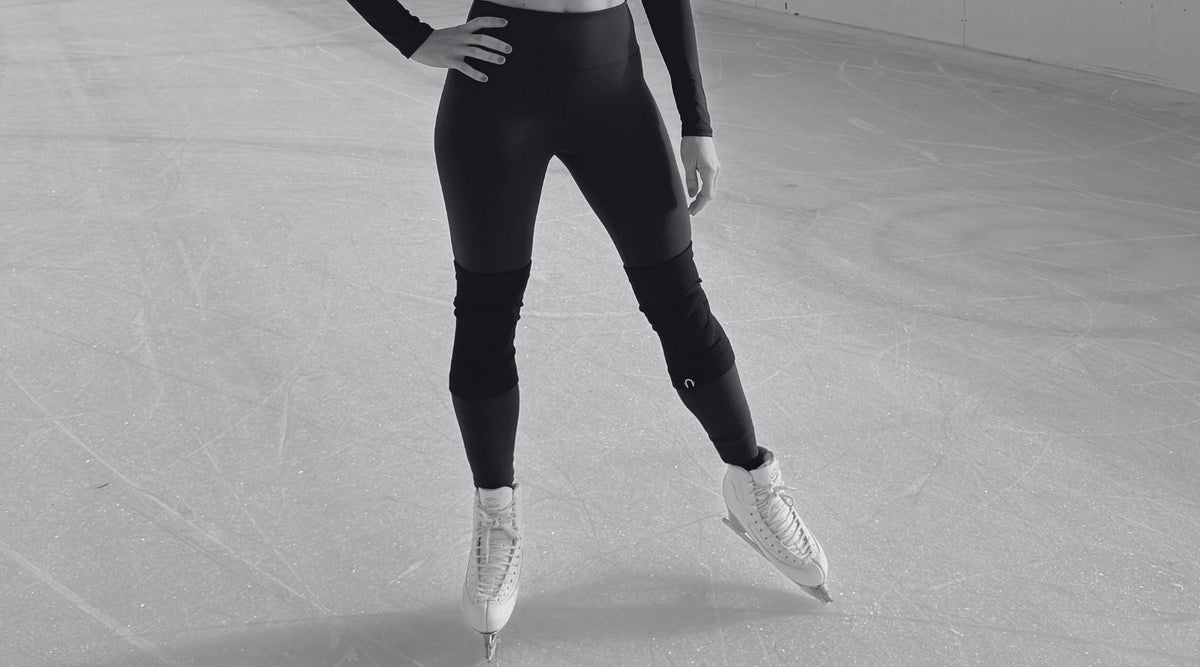
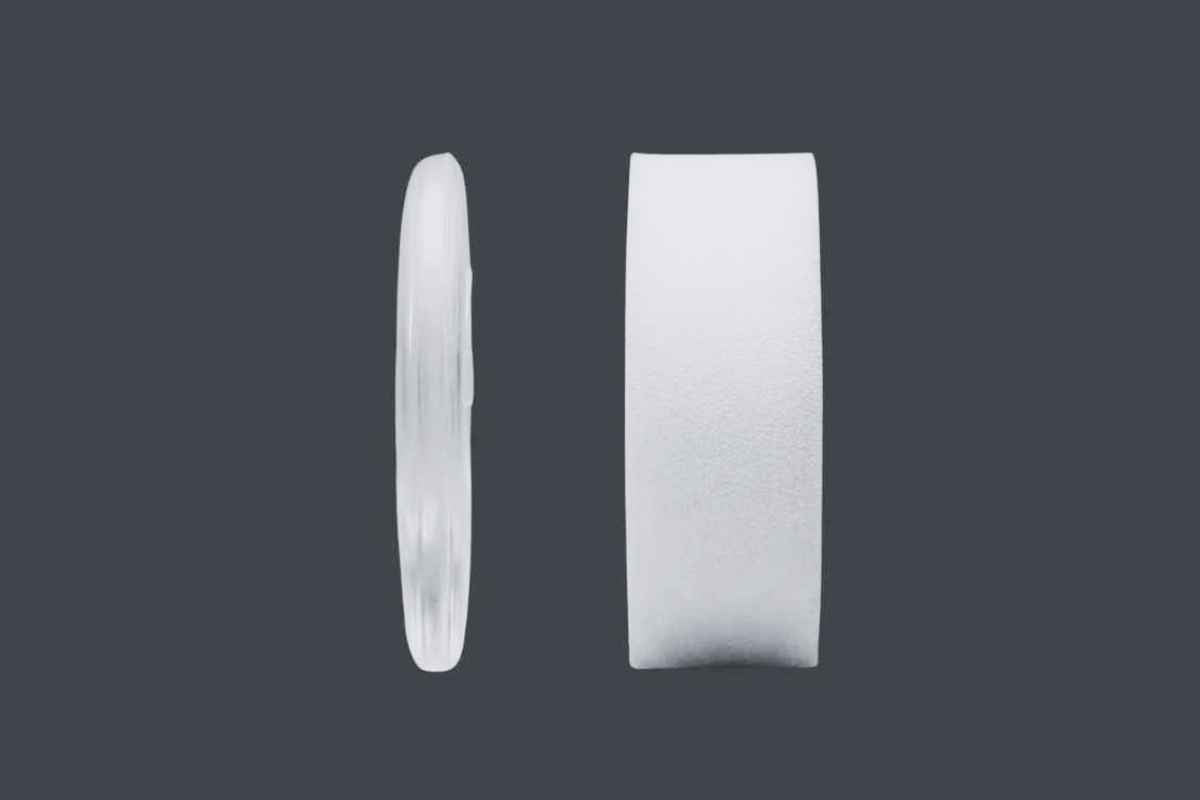
The Edge Gel Knee Guards are designed specifically for that.
They support repeated contact with the ice, without changing how you move.
Slim under layers
Moves with your knee
Built for skating, not generic protection